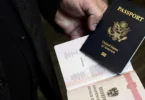
A work visa allows you to work legally in the United States. If you are looking forward to working in the United States of America, it is important to have a Work permit that will allow you to work in the US. In this article, you will learn about the requirements and the processes to apply for and get a US Work Visa for Immigrants.
What Employers Are Offering
- ✔ Employer-provided health & medical insurance
- ✔ Visa sponsorship & legal work authorization
- ✔ Relocation assistance & settlement support
- ✔ Long-term employment & benefit coverage
- ✔ Permanent residency pathways (eligible roles)
Types of work Visas and their Requirements in the US for Immigrant
The US offers five categories of employment-based immigrant visas (EB Visas), tailored to different professional missions in the United States. Among these, EB-1 and EB-2 are often considered most relevant depending on your purpose.
Employment Benefit Eligibility Information
Applicants searching for international employment opportunities often compare roles offering employer-sponsored insurance coverage, relocation support, and legally compliant work authorization programs.
- Jobs with employer-provided health insurance benefits
- Visa sponsorship positions including medical coverage
- Full-time employment with dental and vision insurance
- High salary jobs offering worker protection benefits
- Healthcare and caregiver roles including insurance coverage
Understanding benefit eligibility requirements helps applicants evaluate qualified employment offers before submitting immigration applications.
Insurance & Worker Protection Requirements
Before visa approval, many employer-sponsored programs require proof of valid health insurance coverage and worker protection compliance. Immigration authorities verify medical coverage eligibility before granting work authorization.
Depending on the destination country, foreign employees may also need workplace injury protection, employer liability coverage, and travel medical insurance during relocation.
- Mandatory health insurance for visa holders
- Workplace accident and employer liability protection
- Travel and relocation medical coverage
- Insurance verification during immigration processing
Confirm insurance compliance requirements before submitting a work permit application.
Types of Immigrant Work Visas
- EB-1: For individuals with extraordinary abilities in sciences, arts, education, business, or athletics; outstanding professors or researchers; and multinational executives or managers.
- EB-2: For professionals with advanced degrees or exceptional ability in the arts, sciences, or business.
- EB-3: For professionals, skilled workers, and other workers.
- EB-4: For “special immigrants,” such as religious workers, U.S. foreign service employees, retired international organization staff, and certain noncitizen minors.
- EB-5: For business investors who invest $1,050,000 (or $800,000 in targeted employment areas) in a new enterprise that creates at least 10 full-time jobs.
Qualifications to Obtain a US Work VISA
The are specific requirements to qualify you to obtain a US work visa. These requirements include;
- A Job offer from an organization in the US,
- Approved Petition filed by a prospective employer with the US Citizenship and Immigration Services (USCIS) on your behalf
-
- Approved Labor certification by The Department of Labor (DOL)
- A valid Passport lasting for at least six months after your stay ends
- Photographs
- A Receipt number from your Form I-129 petition
- Payment of Application fee
- Evidence of departure showing evidence that you intend to leave the US after your stay ends
How Much Does It Cost to Apply for US Work VISA?
To apply for a work visa to the US, you will need a total of $190. Although, the US allows some foreign citizens to travel to the US and work without a VISA under the Visa Waiver Program (VWP) qualified citizens. Visa the US Visa application portal to check if you are eligible for the Visa Waiver Program.
How Does Employment Petition Work?
When a US organization hires a foreign worker, they may be licensed by the Department of Labor (DOL) to sponsor employment visas. To do this, the organization submits an employment petition to USCIS, detailing the job position, salary, and the foreign worker’s qualifications. Employers must pay processing fees and provide supporting documents to prove their financial ability to hire and comply with tax and labour certification requirements (LCA).
What is an Employment Authorization Document (EAD)?
The EAD is a US work permit issued after your visa is approved. It allows you to work legally in any US company for the duration of your visa.
How to Apply for an Employment Visa
Gather Necessary Paperwork
Before attending your visa interview, ensure you have the following documents ready:
- Confirmation page of your Form DS-160 (non-immigrant visa application).
- Receipt for your application fee payment.
- Photocopy for your visa.
- Receipt number from your employer’s approved petition (Form I-129 or Form I-797).
- A valid passport.
Fill Out Online Application
To apply for US work authorization, you need to complete the online non-immigrant visa application (Form DS-160).
Attend Visa Interview
During your visa interview, a consular officer will ask questions to assess your travel intentions and eligibility for the visa. Answer honestly and provide detailed responses.
Common questions include:
- What is the purpose of your trip to the United States?
- Do you have any family in the United States?
- Why do you want to work in the US?
- When are you planning to travel?
- What are your plans after your work visa expires?
Prepare thoroughly to ensure a smooth interview process.
Legal Rights and Protections
If you hold an H-1B, H-2A, or H-2B work visa, the US government encourages you to know your rights as a temporary employee and report any violations.
Your rights include:
- Fair pay: Receive at least the federal minimum wage for all work performed.
- Freedom from discrimination: Be treated fairly regardless of age, gender, race, ethnicity, or religion.
- Protection from harassment: Your employer cannot sexually harass or exploit you.
- Safe workplace: Report work-related injuries, access safety equipment, and have clean water and bathrooms.
- Support from groups: You can join unions or labour rights groups to improve wages or conditions.
- Leaving abuse: If abused, you can leave your employer and seek a new visa or employer.
Stay informed and empowered to protect your rights.